
Can You Patch Pool Plaster? Why a Hole Is Rarely Just a Hole
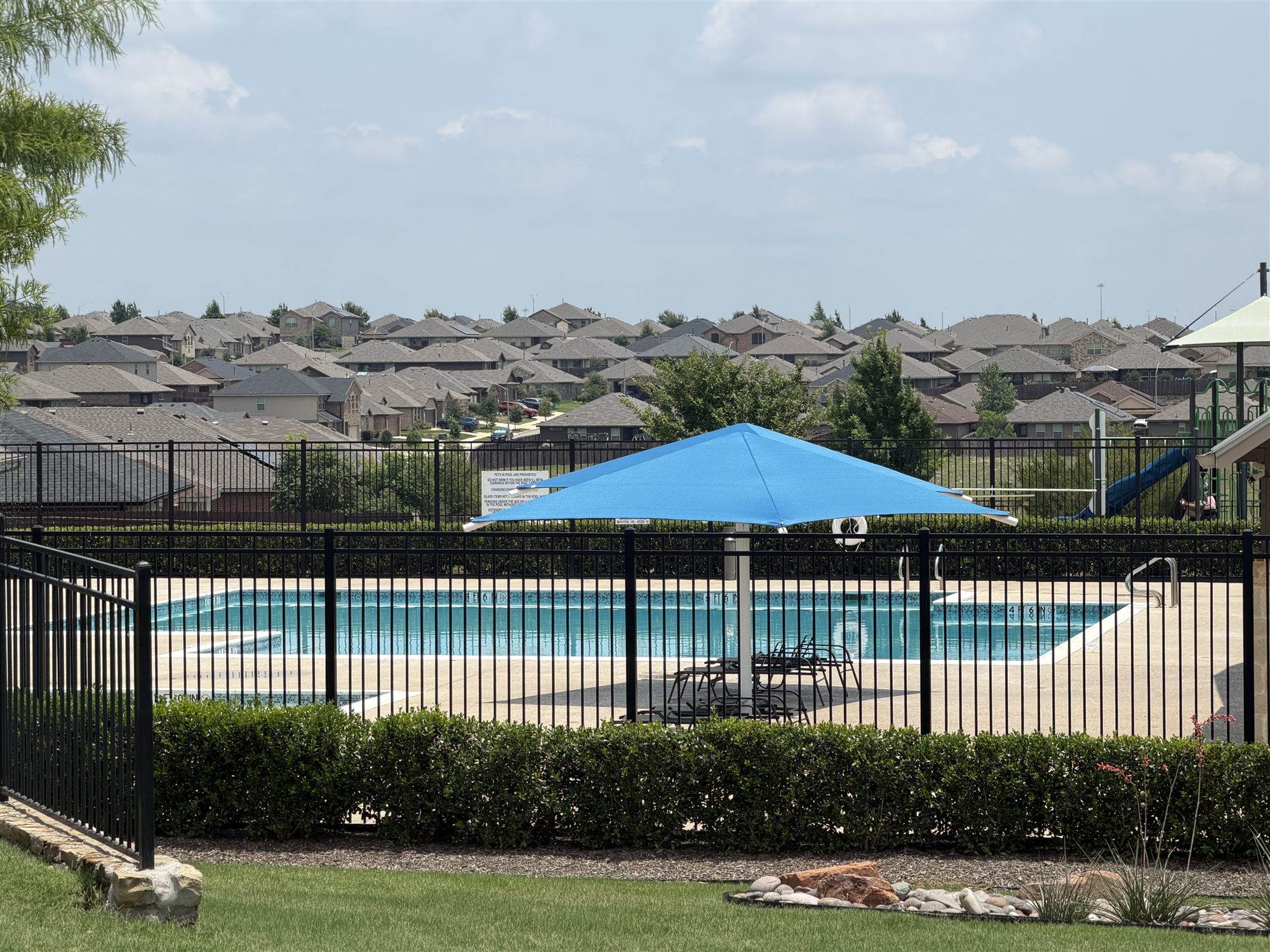
A property manager called about a hole in a community pool floor and asked for a patch. The whole floor was delaminated. Here is why patching plaster usually does not work — and what a full replaster actually involves.
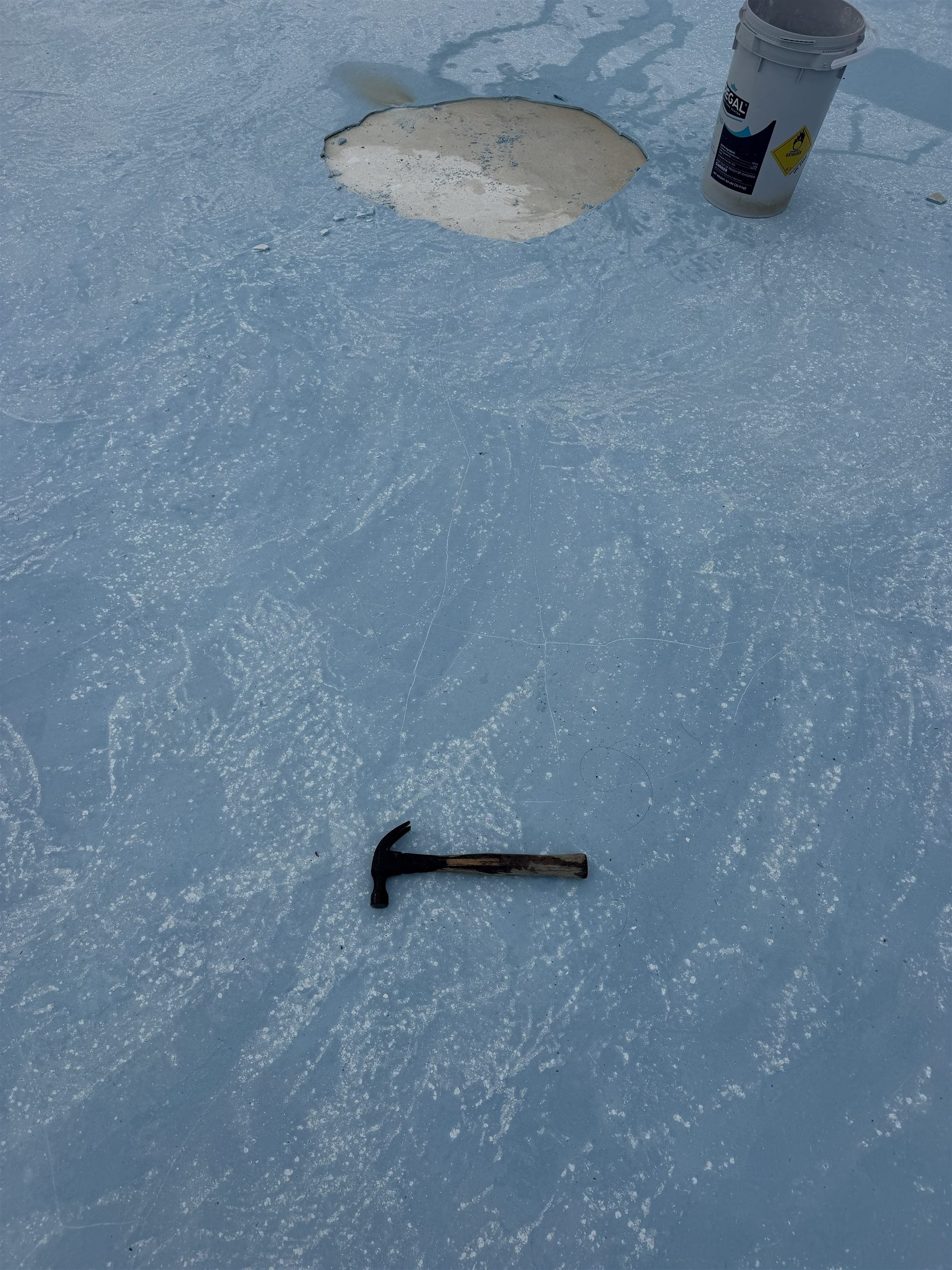
The call was about a hole. A property manager had noticed a bare patch opening up in the floor of their community pool, and wanted to know what a patch would cost.
It was a completely reasonable question. It was also the wrong one.
What a hole in the pool floor usually means
Plaster is a layer bonded to the concrete shell underneath. When it fails, it fails by losing that bond — not by wearing through from the top.
So a visible hole is not damage in one spot. It is the first place a wider failure became visible.
How you find out, and it is not by looking
Delaminated plaster looks fine. It is still in place, still the right colour, still smooth. You find it by sounding it — tapping the floor and listening. Bonded plaster gives a solid, dull knock. Debonded plaster rings hollow.
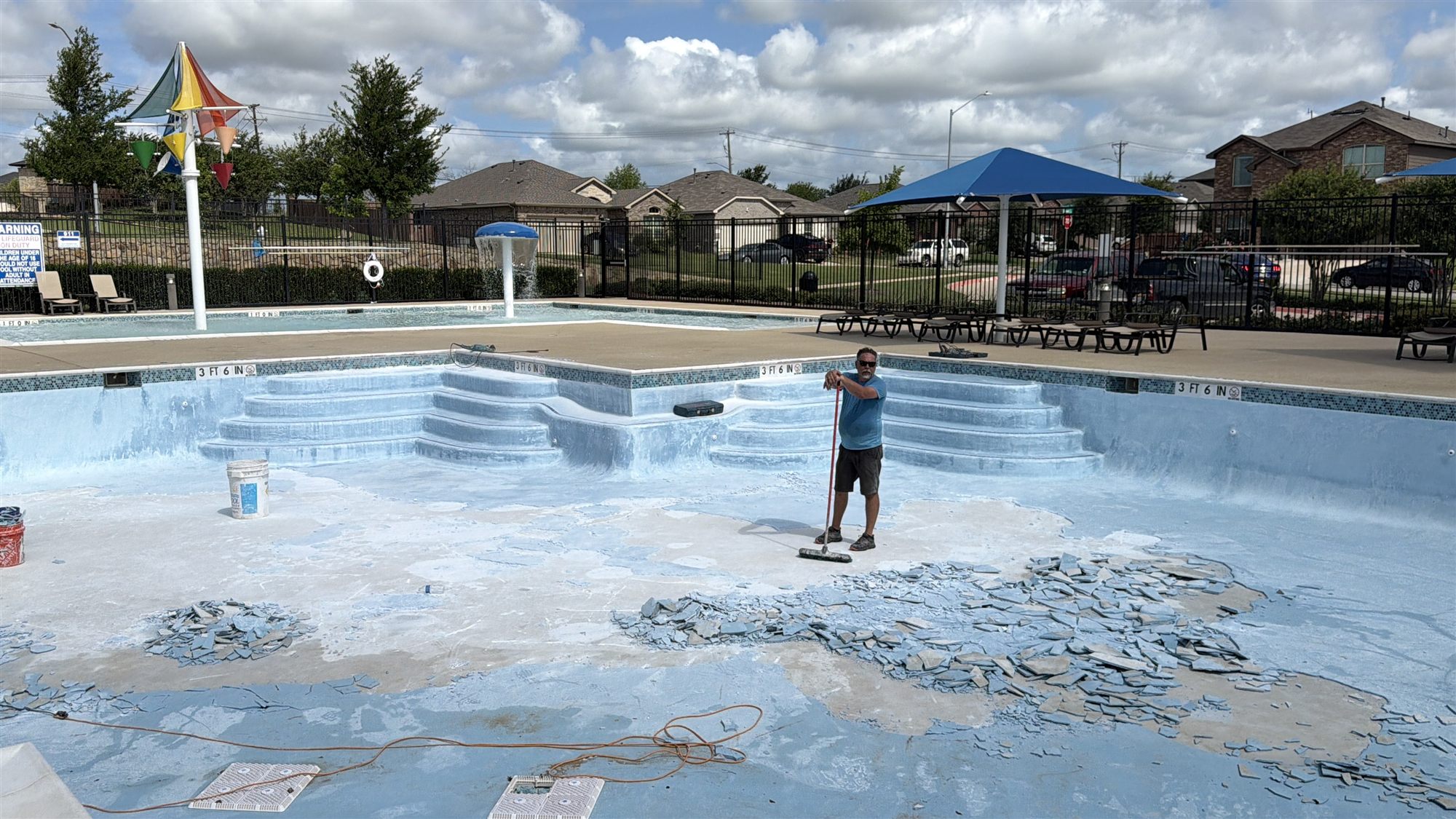
On this pool the hollow areas were not a patch around the hole. They were the whole floor.
The information was already there. It just needed someone who knew how to ask — the same idea as reading a date code off a sticker. The pool was telling you what was wrong. You had to know how to listen.
Why there was no cheaper option
Three reasons, and each one alone sinks a patch. Together there was nothing cheaper on the table at any price.
**Mechanical.** A patch bonds to the plaster around it. That plaster was not bonded to the shell either. You would be anchoring to something already floating.
**Systemic.** The hole was not the problem. It was the first place the problem showed.
**Cosmetic.** New plaster does not colour-match aged plaster. Even a patch that held would have looked like a patch.
The same reasoning rules out plastering over the existing surface with a bond coat. Every cheaper method depends on the old plaster holding, and it was not holding.
What a full replaster actually involves
Three steps, described plainly.
**Full chip out** — all of the old plaster removed, down to bare shell. Not just the failed area.
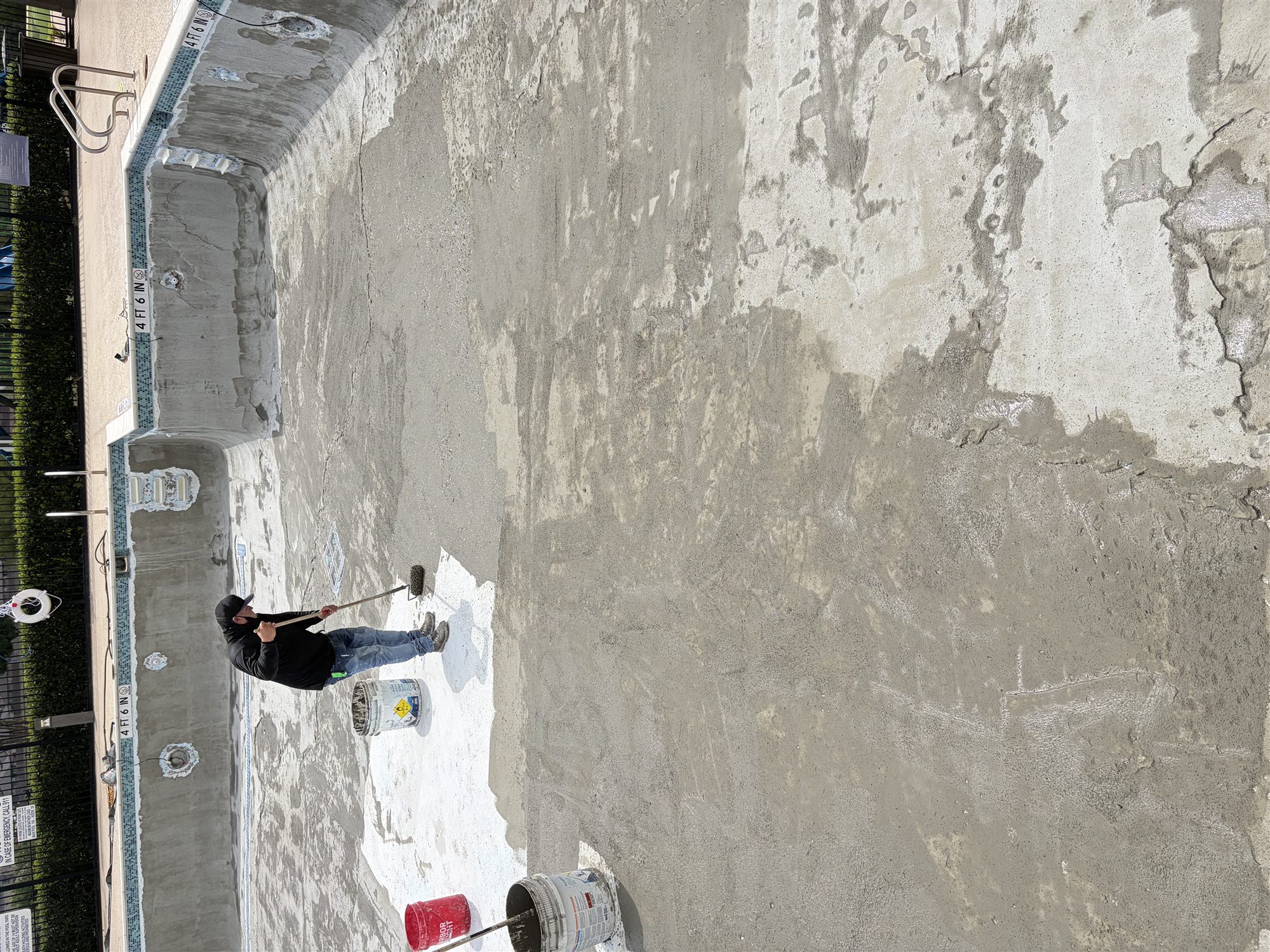
**Bonding agent** — applied to the clean substrate. This is the step that determines whether the new surface stays attached.
**New plaster** — bonded to the shell, not to a layer that had already let go.
The bond coat is what makes the new surface stay. That is what it does, and that is where the description stops.
The finish
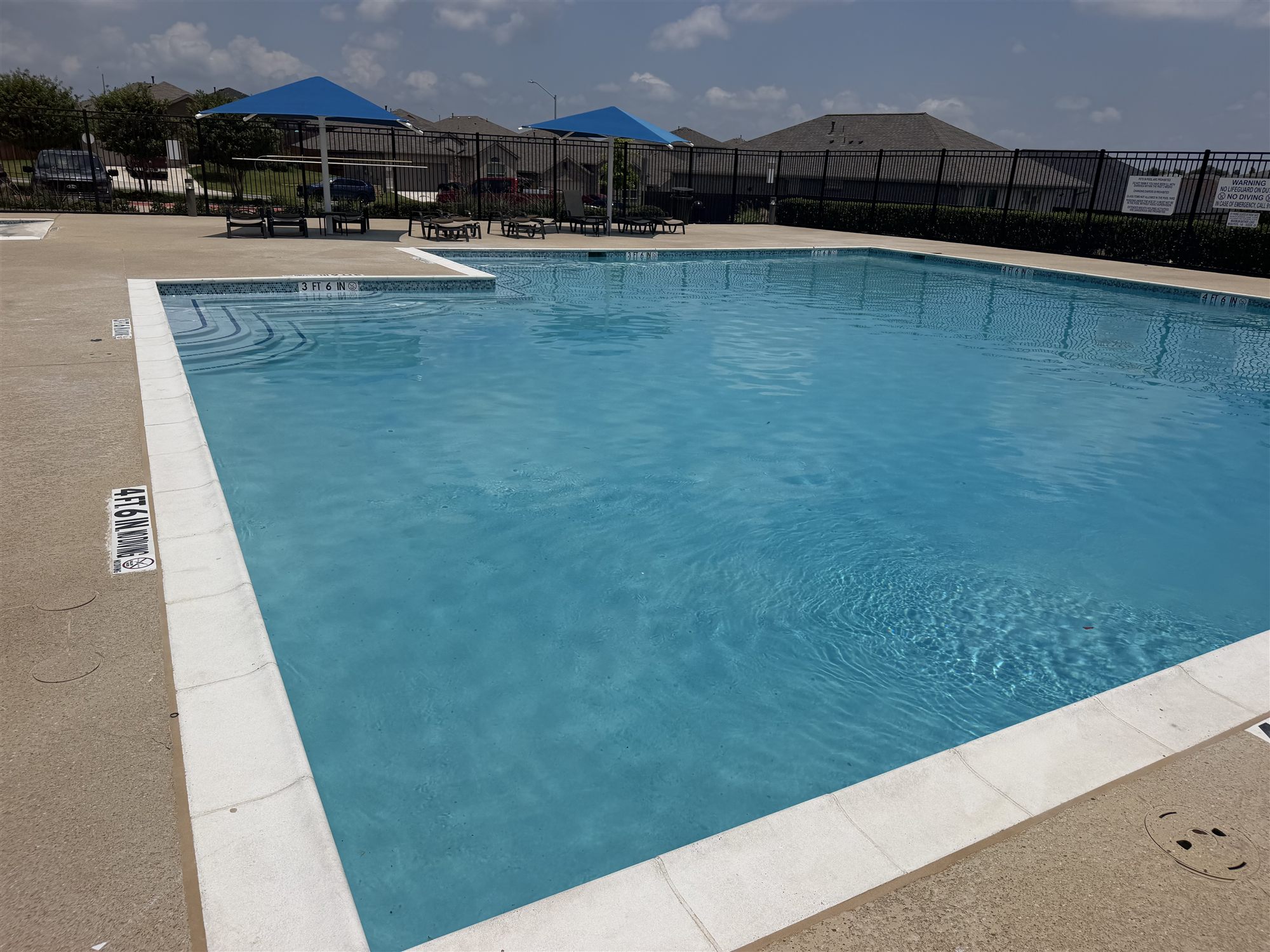
The new surface on this pool was St. Thomas.
Manufacturer swatches never match what a finish looks like once the pool is filled. Water depth, sunlight and the surrounding deck change it completely. The only useful way to judge a finish is to see it in water — which is what the final photos show.
The close
The pool was filled and open for the weekend.
A flat $145 diagnostic fee, credited in full toward any repair we carry out. Phone 469-835-5674, or reach us through our contact page.
Serving Flower Mound, Highland Village, Argyle, Lewisville, Bartonville, Double Oak, Lantana, Northlake and Copper Canyon. In Texas, electrical work on pool equipment is licensed work — No Worries Pool Care holds TDLR RAIC #214, verifiable at tdlr.texas.gov. For the industry body on pool plaster, see the National Plasterers Council.
If you are weighing repair against replacement, pool equipment upgrades is where renovation and equipment replacement meet. And if finding what is actually wrong is the question, our pool inspections are the same idea in a different form. For cracked tile or coming-apart coping, our guide to what is actually happening with pool tile and coping covers the other structural surface. And if you are buying a home with a pool, finding what is actually wrong before you own it is what an option-period inspection is for.