
The Salt Pool Myth Every New Homeowner Believes (And Why It Matters for Your Kids)
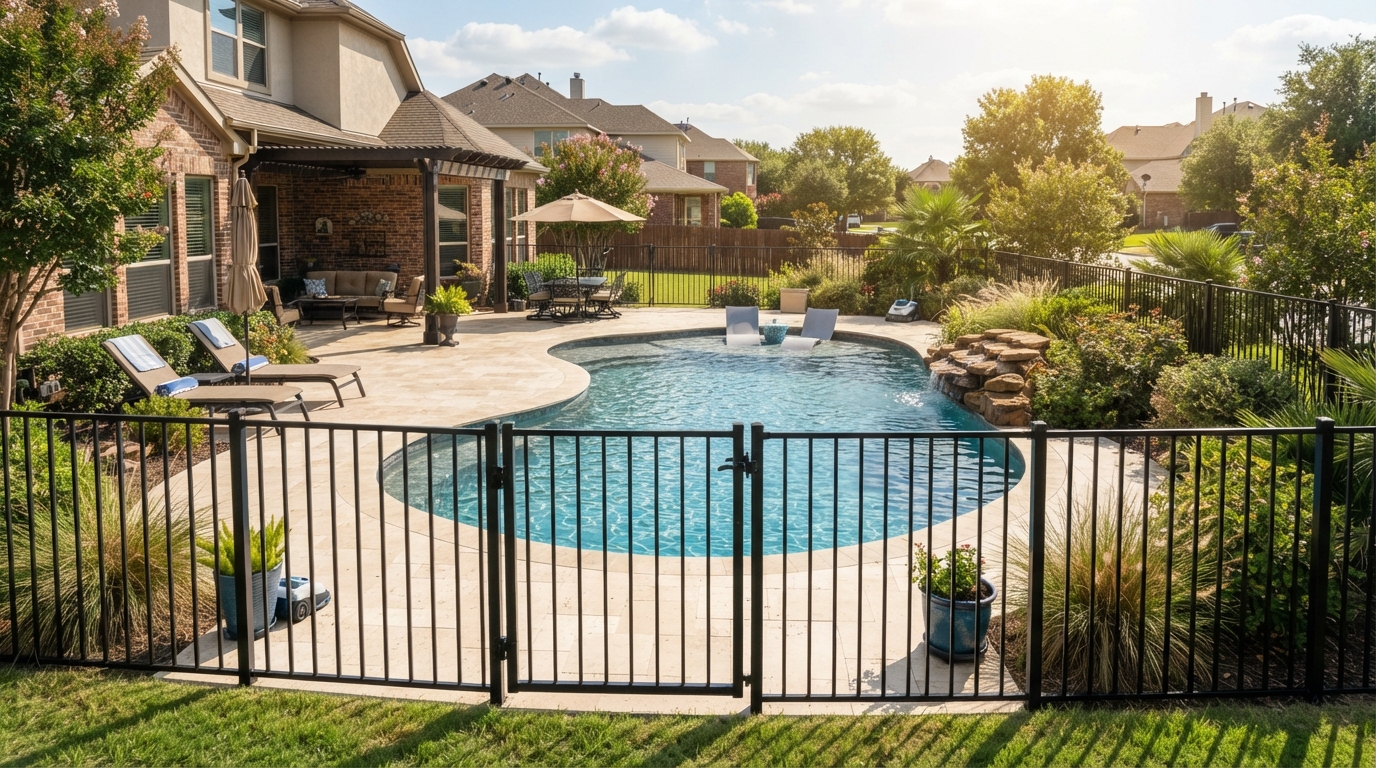
New pool, young kids, and a moving day scramble. Learn why salt systems aren't chlorine-free, how to layer water safety for your family, and what every new pool owner needs to check first.
Picture this: a young family closes on their first home with a pool. Between the movers, the boxes, and three kids under five — one of them fearless, fast, and drawn to water like nothing else in the yard — nobody's had a spare minute to think about what "having a pool" actually means yet.
That was a real appointment we ran recently. And what we found is more common than most new pool owners realize.
We Start With Safety — Every Time
Before we talked about equipment, before we talked about chemistry, we talked about their kids. With a curious toddler who showed no fear of the water, the first thing we walked through wasn't the filter system — it was the layers of protection every pool family needs: removing toys from the pool area after swimming (nothing draws a small child toward water faster than a floating toy), self-closing and self-latching gates, and door alarms that alert you the moment a door to the pool area opens. To learn more about childproofing your backyard, see our guide on essential layers of water safety protection. These aren't extras. They're the difference between a close call and a tragedy, and it's the same guidance organizations like the National Drowning Prevention Alliance and Safe Kids Tarrant County — groups we actively support — have been pushing for years.
Then Came the Fun Part: Learning the Spa
Once the safety conversation was handled, this family lit up about one thing: the hot tub. After a long day of moving boxes, they just wanted to know how to actually use it — the heater, the spa light, the forced air bubbles. We walked them through it right there at the equipment pad, and by the end they were already planning that night's soak.
The Moment That Surprised Them Most
Here's the one that catches almost every new owner off guard: they had a Salt Chlorine Generator, and they were certain that meant their pool was chlorine-free.
It's not. A salt system doesn't remove chlorine from the equation — it generates chlorine automatically, converting dissolved salt into chlorine through electrolysis, right in your own equipment. Your pool is still a chlorinated pool. It's just making its own supply instead of you adding it by hand. (If you're weighing salt vs. traditional sanitizers, read our full breakdown of saltwater vs. chlorine for local homes.) This is one of the most common misconceptions we run into, salt system or not, and it matters — because homeowners who think they're "chlorine-free" sometimes skip water testing altogether, assuming there's nothing to monitor. Maintaining proper balance is key; check out our guide on pool water chemistry in North Texas for the full breakdown.
What Happened Next
We never even got to the ongoing-maintenance recommendations. Before we could suggest a schedule, they asked to start weekly service the following week. They'd just spent a full day moving, and the honest truth was simple: they didn't want one more new chore added to their plate.
We hear a version of this story often. New pool owners are excited, a little overwhelmed, and usually don't know what they don't know yet — and that's exactly why we built Pool School in the first place.
If there's one thing worth taking away from this: professional pool maintenance isn't a hobby project, and safe, properly sanitized water is not something to guess at. Whether you learn to manage it yourself through hands-on training or hand it off to us entirely, get it right from day one.
The salt cell is also one of the components most commonly left off a home warranty's pool coverage, which matters more here than it would almost anywhere else.
Ready to learn your pool the right way? Book a Pool School session, or if you'd rather skip the learning curve altogether, ask about weekly pool service.